
Keeping the family's memories when a parent has dementia
My dad has dementia. One day he was talking about someone from the past whom I had never known, because they lived before I was born. I asked my aunt, and she shared a memory and a photograph. It made me realise how many of our family's stories were scattered, and how many I might never hear unless someone told me.
A family memory book brings those stories together in one place. With Lovingly Kept, you start with one photograph and invite brothers, sisters, cousins and old friends to add what they remember. Their words are kept as they wrote them, and it becomes one book the family can keep.

Start while the stories are still close
You don't need a plan or a perfect photograph. Start with one picture that means something and ask: who remembers this? Brothers, sisters, cousins and old friends often remember things you never heard.
It can help to begin with the years your parent talks about most. For many people with dementia, older memories stay clearer for longer than recent ones. A photograph from those years can be a good place to start.
How can the whole family help make a memory book?
Caring for someone takes a lot of time and energy. A memory book shouldn't be one more job for the person doing most of the caring. With Lovingly Kept, each relative adds their own memories from their own phone, in their own time.
- Ask the relative who lives furthest away to gather photographs. It gives them a way to help.
- Ask aunts, uncles and old friends about the years before you were born.
- Ask grandchildren what they love about their grandparent now.
Record their voice
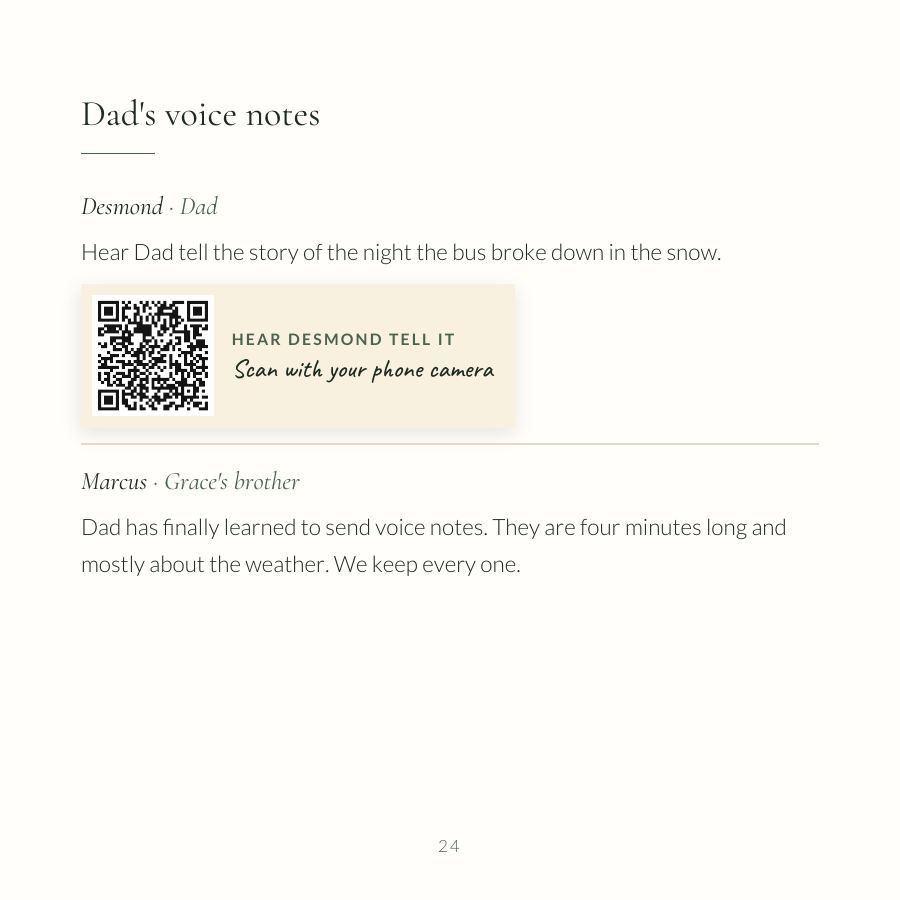
If your parent enjoys talking about the past, record a few minutes on your phone and add it to the book. A code on the page plays it back, now and in years to come. Choose a calm moment, and let the conversation go wherever it goes.
Something to look through together
Many families enjoy looking through photographs and stories together. A downloaded or printed book can be something to share on a good afternoon. There is no need to test or correct. If a story comes out differently from how you remember it, that is fine.
What Lovingly Kept is, and isn't
Lovingly Kept is a family keepsake book. It isn't a medical or therapy product, and it doesn't treat or slow dementia. For support and advice, talk to your GP, Dementia UK (opens in a new tab) (Admiral Nurses) or Alzheimer's Society (opens in a new tab).
Frequently asked questions
Can someone with dementia add their own memories to the book?
Yes, if they would like to. Send them their own invite link, or sit with them and record a voice note on your phone. Their words go in the book exactly as they said them. Let them choose what to talk about.
Is a memory book a form of therapy for dementia?
No. Lovingly Kept is a keepsake for the family, not a therapy or treatment. Some families do enjoy looking through it together. For reminiscence activities and care advice, Dementia UK and Alzheimer's Society are good places to start.
How much does it cost?
Lovingly Kept is free during early access. Each project is deleted 14 days after it is started, and you can add 14 more days once, so please download your book as a PDF before then. The PDF is yours to keep, but the voice codes inside it stop working when the project is deleted.
Start with one photograph
A family memory book does not need to be finished all at once. Choose one photograph today, write two lines about it, and send one invite link to the person who remembers the story behind it.
More from the blog
Memory book ideas
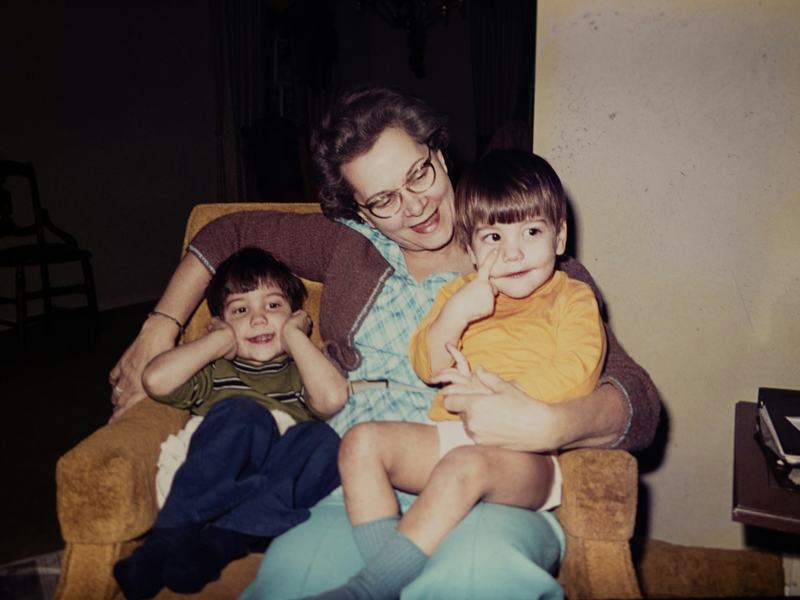
A memory book for grandparents, made by the whole family
How children and grandchildren each add a photograph, a memory or a voice note to one book.
Remembering loved ones
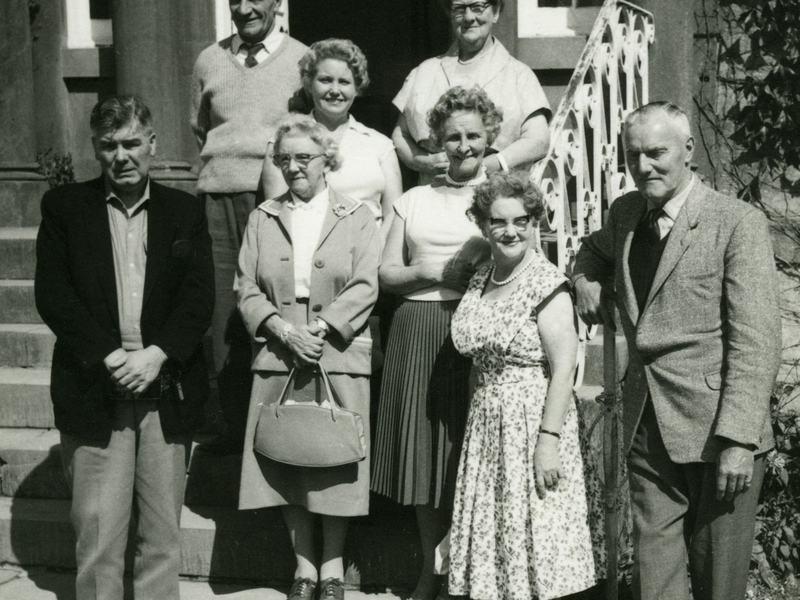
A memorial book, made by everyone who loved them
Bring together the memories of family and friends after someone dies, in their own words.